

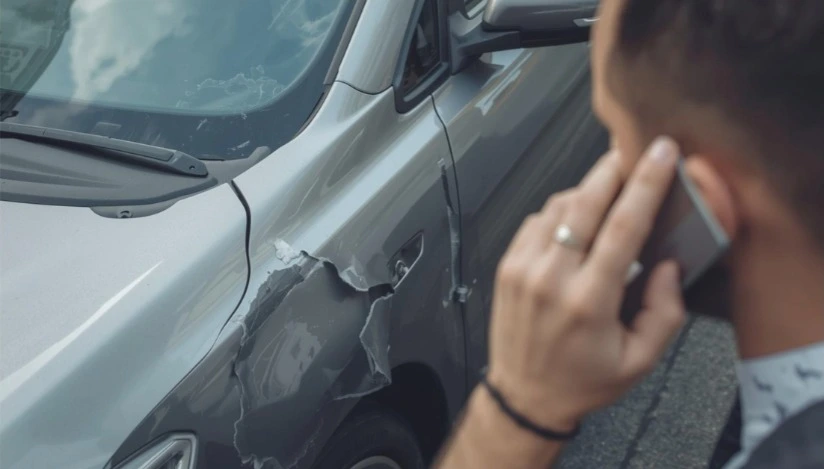
Running a fleet looks simple from the outside. Vehicles move. Drivers report in. Operations keep rolling. But you as a fleet-manager know the truth — one incident can throw the entire day off balance.
A minor dent turns into three phone calls. Missing photos delay the claim. Workshops give slow updates. Insurance takes weeks. Meanwhile, the vehicle sits still and costs keep climbing. Damage happens. Claims happen. But chaos doesn’t have to. That’s where Digital claims management steps in.
At FleetWaro, we’ve seen how a clean, structured system can turn a messy, manual process into something predictable and surprisingly easy. This guide explains everything simply — why vehicles get damaged, what really slows down claims, and how digital tools keep fleets moving without the usual stress.
What Digital Claims Management means in fleet operations
Claims management sounds complicated, but it’s simply the process of handling damage from start to finish. In the real world, it means collecting details from drivers, talking to insurers, coordinating repairs, checking documents, and making sure nothing falls through the cracks.
When fleets handle this manually, things get messy fast. Photos get lost. Details get forgotten. Emails get buried. Small mistakes turn into long delays. That’s why more businesses are shifting to Fleet claims management systems that make everything easier to track and manage.
With Digital claims management for fleet operations, all steps — from report to resolution — move through one organised workflow. And when you add Automated insurance claims processing for fleets, the process becomes even smoother, because a lot of the manual admin disappears.
Why vehicles keep getting damaged
No matter how well you run your fleet, damage will happen. Understanding where it comes from helps you manage it better and build systems that reduce repeat cases.
1. Road Accidents and Collisions
Most high-cost claims come from accidents. These include vehicle-to-vehicle crashes, hitting fixed objects, or incidents involving pedestrians. When something like this happens, quick and accurate fleet damage reporting makes a big difference. Clear photos, short notes, and proper evidence help settle claims faster and reduce disputes.
2. Parking and Low-Speed Impacts
These are the everyday dents, mirror knocks, and scratches that happen in tight lots, docks, and narrow streets. One or two don’t seem serious, but they stack up across a fleet.
3. Weather and Environmental Damage
Storms, hail, floods, falling branches — nature does its own damage. Environmental incidents usually require immediate reporting, especially when multiple vehicles are affected.
4. Loading and Unloading Damage
Logistics and delivery fleets often face risks in warehouses and loading bays. Forklifts, pallets, and tight spaces create regular hazards.
5. Theft and Vandalism
Break-ins, damaged doors, stolen parts, and graffiti all require claims and police documentation.
6. Mechanical Failures
Skipping maintenance or ignoring early warnings often leads to breakdowns that could have been avoided.
Knowing these patterns helps fleets design better safety rules and reduce unnecessary downtime.
How Fleets Can Cut Down on Damage
Some incidents can’t be avoided, but many can be reduced with simple habits and better systems. Here’s what works for most fleets we support.
Driver Coaching
Telematics gives real insights into how drivers behave on the road. When you coach based on real data — braking, cornering, speeding — incidents drop quickly.
Fleetwaro itself is focused rather on cost and fleet data, but it can be combined with telematics systems such as in-vehicle-monitoring systems.
Preventive Maintenance
Vehicles that are maintained on schedule are far less likely to end up in a claim. Routine checks reduce risk and extend vehicle life. This is exactly where Fleetwaro assists you as fleet-manager: by getting a digital service-history and maintenance reminders for drivers.
Use Built-In Safety Tech
Modern vehicles come with tools that prevent accidents: parking sensors, collision alerts, lane warnings, rear cameras. Combine these with dashcams, and your evidence becomes stronger too.
Dashcams are a question of data-protection.
Fleetwaro itself is rather focused on fleet administrative tasks and monitoring costs, invoices and maintenance deadlines, while telematics systems such as the GPS Fleet Software (refer to www.gps.at) are more focused on tracking and monitoring vehicle movements.
Smarter Route Planning supported by telematic systems
Some routes cause more damage than others. A vehicle tracking system such as the GPS Fleet Software (refer to www.gps.at) helps identify risky zones so you can plan better routes.
Safe Parking Rules
Clear instructions in the corporate car policy on where and how to park reduce small scratches and theft.
Clear Reporting Process
Drivers should know exactly how to report damage. A simple, guided process speeds up everything that happens next.
Fleetwaro helps your drivers by having all information on their smartphone, with simple checklists and guidelines and contact details.
What the Claims Process Look Like Today
Even though every case is different, the flow is usually the same:
1. Incident Reporting
The driver gives basic details, photos, and location. This is where delays normally start — unless they have a digital tool like Fleetwaro.
2. Review
Fleet managers review the report, check severity, and confirm details.
3. Insurance Notification
Insurers receive the initial report with evidence.
4. Damage Assessment
A surveyor or workshop reviews the vehicle and prepares an estimate.
5. Repairs
Workshops repair the vehicle, and managers track progress.
6. Documentation
Bills, photos, messages, and reports get stored online in Fleetwaro for reference.
7. Settlement and Closure
Once the insurer settles, the case closes and gets archived in Fleetwaro.
This process works, but without digital tools like Fleetwaro it becomes slow, repetitive, and frustrating.
How digital systems change the entire workflow
This is where the real transformation happens. Digital tools take pressure off your team and give you structured control over every claim.
With digital claims management for vehicle fleets, you can:
- Capture incidents instantly through a mobile app
- Keep all photos, videos, and telematics data in one place
- Track claim progress from one dashboard
- Communicate with insurers and workshops inside a single system
- Replace scattered emails with organised workflows
- Reduce admin errors
- Speed up settlements through cleaner, accurate data
Small fleets get clarity. Large fleets get control. Either way, digital tools make life easier.
How fleet-management software cuts costs and saves time
FleetWaro is built around the idea that the claims process shouldn’t drain time or money. Here’s how claims software changes the game:
Faster Reporting
Drivers report incidents instantly with guided steps and clean photo capture.
Fewer Manual Tasks
Routine tasks like notifying insurers or assigning workshops happen automatically.
Clear Visibility
Fleet-Managers see real-time status updates instead of chasing information.
Controlled Costs
Accurate evidence leads to fair repair estimates and avoids inflated charges.
Organised Communication
Everything happens inside the Fleetwaro platform — no missed emails or scattered notes.
Safer Document Storage
Invoices, claims, and reports stay organised and ready for audits in Fleetwaro.
Stronger Insights
Fleets learn from past claims and identify patterns early.
FAQ: Quick Answers for Fleet Teams
How soon should drivers report an incident?
Right away. Fast reporting cuts delays.
Do insurers accept digital evidence?
Yes. It speeds up assessments.
Is digital claims management useful for small fleets?
Absolutely. It removes paperwork and saves time.
Can this reduce insurance premiums?
Yes, especially when disputes drop and reporting becomes more accurate.
Do drivers need training to use it?
Most tools are simple and self-guided.
Here’s what every fleet should keep in mind:
- Fleet claims management covers the full journey from incident to settlement.
- Most damage comes from accidents, weather, loading incidents, theft, and maintenance issues.
- Strong prevention reduces both cost and downtime.
- Manual claims processes slow fleets down.
- Digital claims management for fleet operations replaces scattered, manual steps with clean, organised workflows.
- Automated insurance claims processing for fleets saves time, reduces frustration, and makes reporting more accurate.
- Better data leads to smarter decisions and fewer incidents over time.
FleetWaro is built for the modern fleet — one that values speed, clarity, and complete control over every moving part, including claims.

